Ephemeral Landscapes: Designing for the Fleeting Beauty of N Scale
There's a certain melancholy that clings to well-loved, antique accordions. The faded bellows, the worn keys, the delicate brass that’s lost some of its shine – they tell a story of countless melodies played, of dances celebrated, and of time relentlessly marching on. It’s this same feeling, this appreciation for the beauty of impermanence, that I find myself drawn to when designing an N scale railway layout. The sheer compactness of the scale—the challenge of capturing a sense of grandeur and history within such a limited space—demands a unique approach, one that acknowledges and embraces the fleeting nature of our miniature recreations.
For years, I dabbled in HO scale, enjoying the larger, more forgiving nature of the models. But there's a certain allure to N scale that’s hard to resist. It’s the ability to create vast, sweeping landscapes within a footprint that’s manageable, the potential to evoke a feeling of immense distance and time in a relatively small space. Think of those old black and white photographs of the Canadian Pacific, endless trains snaking through the Rockies – N scale allows you to attempt to capture a tiny sliver of that grandeur, a whisper of a forgotten era.
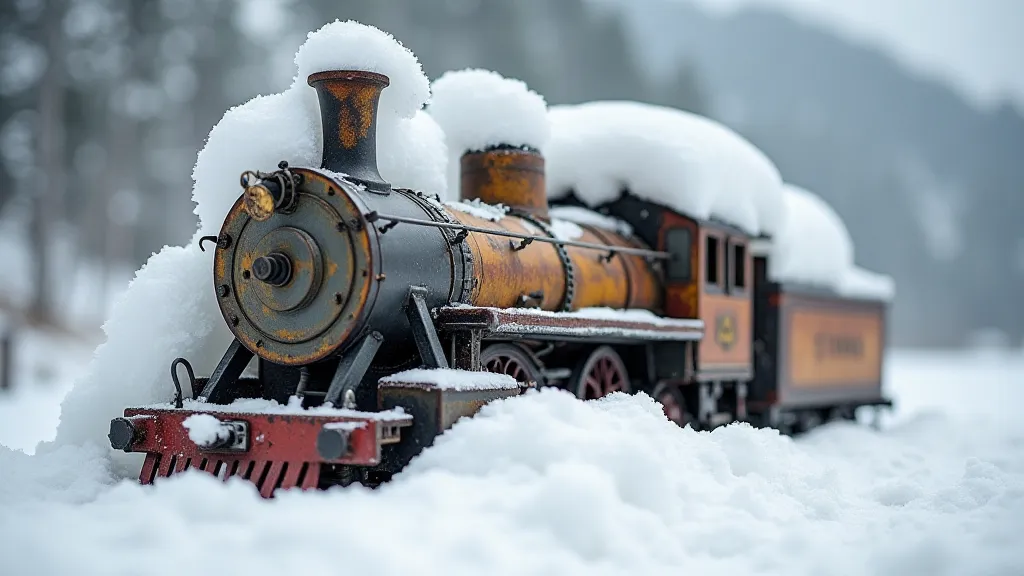
The Challenges of N Scale Track Planning
Track planning in N scale is a different beast altogether. While HO scale allows for a certain leniency in curves and grades, N scale demands precision. Those seemingly insignificant millimeters become crucial. A slightly too-tight curve can derail a locomotive, a slightly too-steep grade can bring the entire operation to a grinding halt. It requires careful calculation, meticulous planning, and a willingness to experiment. Forget about sprawling, multi-level yards – space is a premium.
One technique I’m a proponent of is the ‘shelf layout.’ These layouts, often running along a single wall or along multiple shelves, allow for a surprisingly large amount of track and scenery within a limited space. The key is to maximize verticality – use risers and multiple levels to create the illusion of depth. Don’t be afraid to embrace the ‘dogbone’ configuration, where the track forms a continuous loop with a narrow section that appears to disappear into the distance. This simple trick can dramatically increase the perceived length of the layout.
Scenery and the Illusion of Vastness
The scenery is where the true magic happens in N scale. Because of the small scale, you're not striving for photo-realism; you’re striving for suggestion. A few well-placed trees, a scattering of rocks, and a carefully painted backdrop can do more to evoke a sense of place than a painstakingly detailed miniature town. The backdrop is particularly important. Think beyond a simple printed sky; consider a layered approach, with distant mountains rendered in muted tones and closer foreground elements like forests or fields.
Consider the use of atmospheric perspective – the way distant objects appear fainter and bluer due to the scattering of light. Applying this principle to your backdrop can create a convincing illusion of depth. Similarly, the use of subtle lighting can dramatically enhance the realism of your scene. Experiment with different types of LEDs – warm white for daytime, amber for sunset – to create a sense of mood and atmosphere.
Scratch Building and Detailing: A Path to Immersion
While pre-made models have their place, the true beauty of N scale lies in the ability to scratch build and detail. Crafting your own buildings, rolling stock, and scenery allows for a level of customization and realism that’s simply not possible with off-the-shelf components. It’s a skill that takes time and patience to develop, but the rewards are well worth the effort.
Think about the details – the texture of brickwork, the grime on a factory smokestack, the weathering on a freight car. These small touches can transform a generic model into a miniature work of art. I find inspiration in old photographs and historical documents. A faded postcard of a long-gone railway depot can provide a wealth of detail that can be incorporated into your layout. There's a certain satisfaction in recreating a piece of history, in bringing a forgotten scene back to life in miniature.
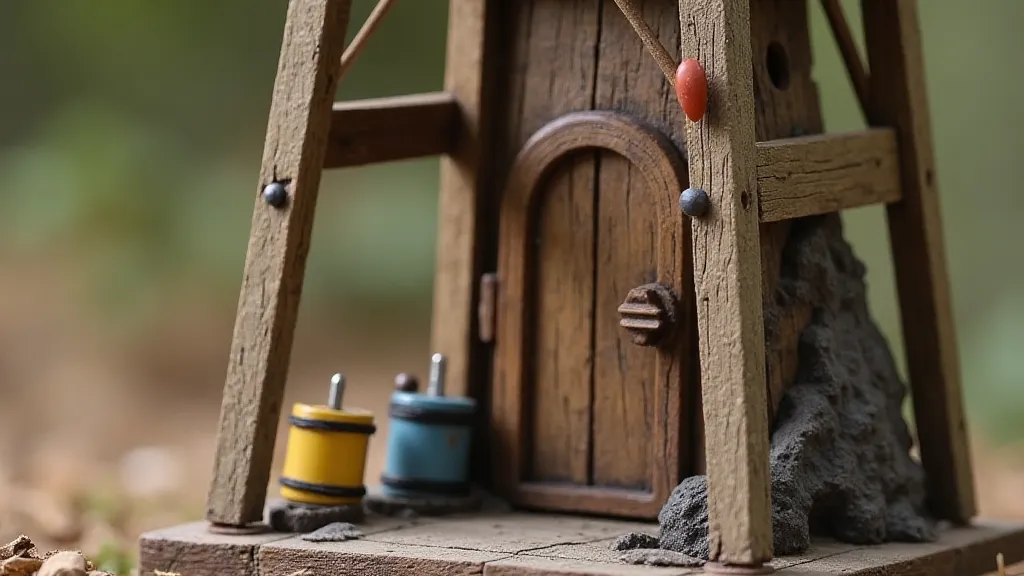
Embracing the Fleeting Nature
Ultimately, the beauty of an N scale layout lies in its inherent ephemerality. It’s a miniature world, a fleeting glimpse into a bygone era. It's a reminder that everything is temporary, that even the most carefully crafted scenes will eventually fade and change.
Like the delicate bellows of an antique accordion, each component is susceptible to wear and tear, each detail a testament to the passage of time. This isn't a source of sadness, but a source of appreciation. It's a reminder to savor the moment, to cherish the beauty of the present, and to embrace the fleeting nature of our miniature recreations. Don’t strive for perfection—strive for authenticity. Embrace the imperfections, the quirks, the little details that make each layout unique. Because in the end, it’s not about creating a flawless replica of reality; it’s about capturing a feeling, a memory, a moment in time.
I often reflect on how many accordions I’ve seen repaired, their original owners long gone. The instrument continues to tell a silent narrative of connection and loss. My N scale railway layout is much the same—a miniature landscape, a repository of memories, a testament to the enduring power of imagination, all contained within a small, carefully designed space.
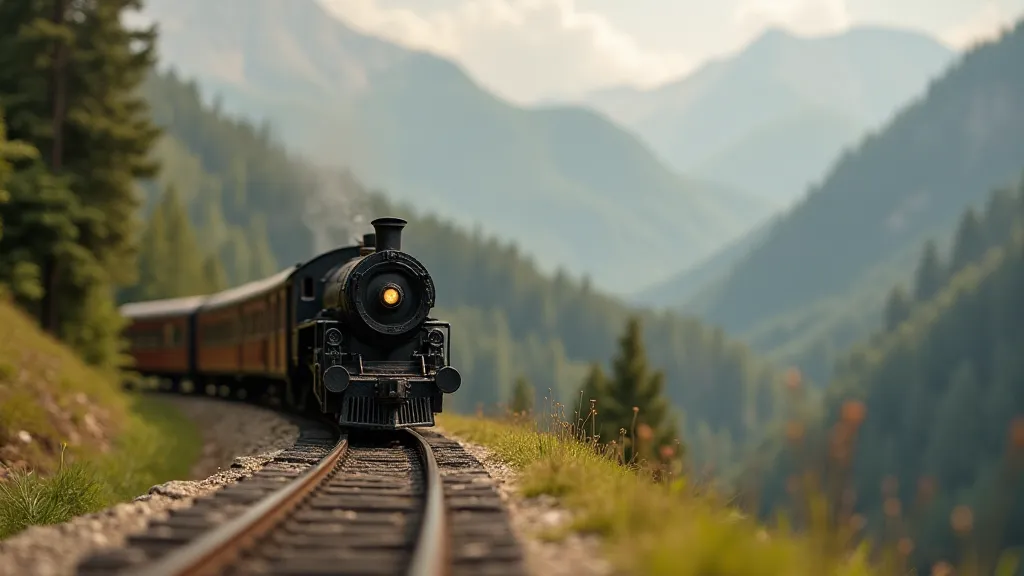
Troubleshooting & Long-Term Care
Maintaining an N scale layout requires diligence. Track cleaning is paramount to reliable operation. Regularly inspect and clean your track to remove dust and debris. Derailments are often caused by dirty track. Similarly, check your locomotives and rolling stock for proper lubrication and free-running wheels. Over time, even the finest models can develop issues. Embrace the process of repair and restoration – it’s a valuable learning experience and a way to connect with the craft on a deeper level. Like restoring an antique accordion, it requires a gentle touch and a willingness to learn from the past.