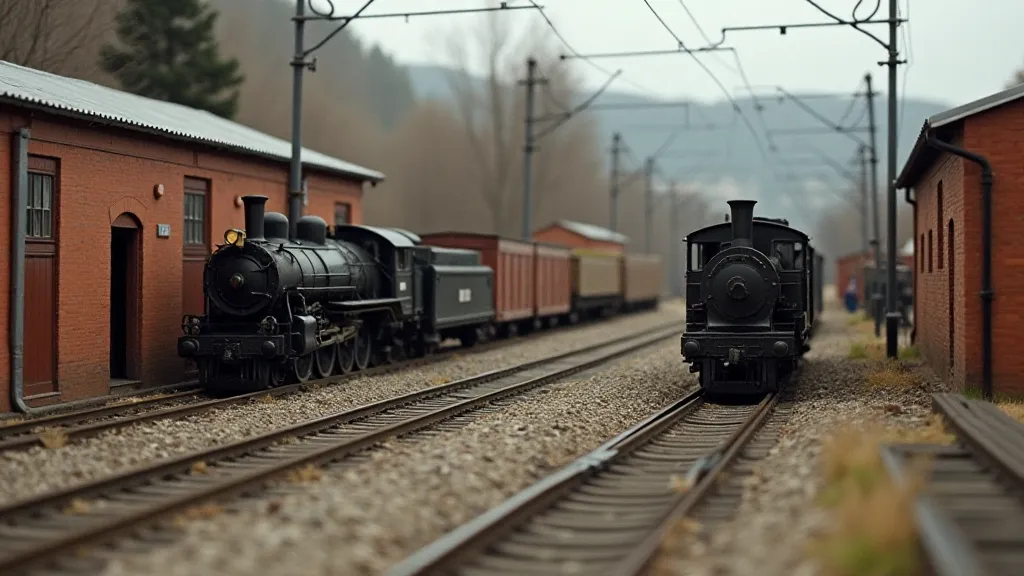
Echoes of Industry: Designing a Convincing Industrial Layout
There’s a certain resonance that comes from recreating the past, particularly when that past involved the relentless pulse of industry. More than just trains and tracks, an industrial layout is about capturing a feeling - the grit, the noise, the sheer energy of a working landscape. It’s a far cry from the pastoral scenes often associated with model railroading, demanding a deeper understanding of operational logic, historical context, and a keen eye for detail. Just as a beautifully restored antique accordion can evoke the spirit of a bygone era, an industrial model railway can transport us back to a time of steam, smoke, and tireless production.
I remember my grandfather, a man of few words, but a tireless worker. He’s the inspiration behind many of my layouts. He worked in a textile mill, and the rhythmic thrum of the machinery, the scent of oiled metal and cotton dust, were as familiar to him as his own heartbeat. He rarely spoke about his work, but the memories lingered – impressions of bustling activity, the camaraderie of fellow workers, the quiet pride in a job well done. Recreating a similar scene in miniature isn’t just about aesthetics; it’s about honoring that legacy, understanding the human stories behind the industry.
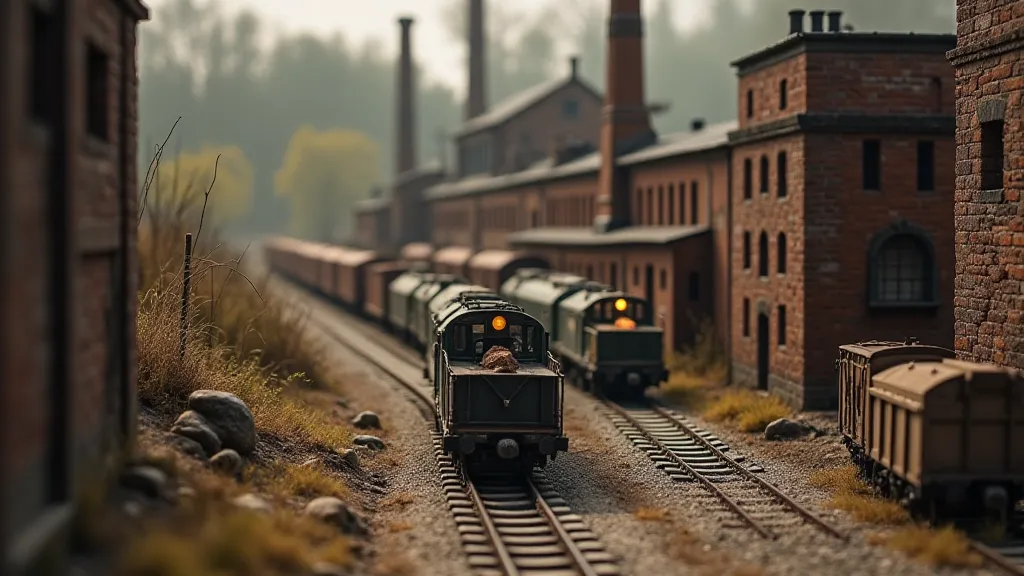
Beyond the Tracks: Defining the Industrial Narrative
The first step in designing a convincing industrial layout isn't laying track; it’s establishing the narrative. What industry are you portraying? A coal mine? A steel mill? A lumber yard? The specifics dictate everything – the types of trains, the buildings, the track arrangement. Research is paramount. Don’t simply Google "industrial railway photos." Dive into historical records, local archives, and industry-specific publications. Understand the operational flow – how raw materials arrived, how goods were processed, and how finished products were shipped out.
Consider the geographical context. Was the industry located near a river for transportation? Did it rely on a specific type of fuel? Was it integrated with other industries? A lumber mill, for example, might have a dedicated spur line for delivering timber to a furniture factory. A steel mill could have a siding for receiving coal and limestone. Think about the evolution of the industry, too. Early industries often had a haphazard, organic layout, reflecting their growth over time. Later, more efficient, standardized layouts emerged. The sheer variety in construction and design, particularly in older industrial complexes, means the possibilities for your layout are almost limitless, challenging you to find that perfect representation.
N Scale Track Planning: Efficiency and Realism
Track planning for an industrial layout is different than for a passenger line. The emphasis is on efficiency and operational realism. Think about switching, shunting, and the constant movement of goods. Long, straight runs of track are rare. Instead, expect a network of short spurs, yard tracks, and runaround tracks. Consider the grades and curves – steep inclines for coal mines, tight curves around buildings. N scale track planning demands careful consideration of space; every inch counts. Ensuring reliability in your intricate system is crucial, and that's where meticulous planning meets the art of understanding how each element contributes to a smoothly running operation. You might find inspiration and helpful techniques by exploring resources dedicated to optimizing your N scale track system for reliability – a critical aspect of bringing your industrial vision to life.
Think about the need for runaround tracks – allowing locomotives to move cars without reversing direction. Use a realistic ratio of sidings to loading/unloading areas. A lumber yard, for instance, would need plenty of space to store logs and finished lumber. A steel mill might have a dedicated area for handling scrap metal. A well-planned industrial layout will not only look realistic but will also offer a challenging and rewarding operational experience. The interplay of these elements needs to be considered holistically to achieve not just a visual representation, but a functionally accurate model of an industrial site.
HO Scale Engine Maintenance: Representing the Backbone of Operations
No industrial layout is complete without a maintenance facility. This isn’t just a shed for locomotives; it’s a vital part of the operational narrative. Representing an engine shop, even in miniature, highlights the dedication and skill required to keep these powerful machines running. You can depict a simple coaling tower, a water tank, and a repair shop filled with tools and equipment. The sheer craftsmanship involved in maintaining these machines was a vital aspect of the industry's operations, and representing this in miniature adds another layer of authenticity.
The level of detail is up to you, of course. A basic representation might involve a few strategically placed barrels of grease and a couple of workbenches. A more advanced approach could incorporate scratch-built tools, miniature engines, and even a small diorama depicting mechanics at work. Even a simple representation of a locomotive being serviced adds a layer of authenticity to the scene. Think about the processes involved, from inspecting and repairing engines to ensuring the safety and functionality of all components.
Miniature Train Weathering: The Patina of Time
New locomotives and cars look…well, new. They lack the character and authenticity that comes with age and use. Weathering is an essential technique for bringing your industrial layout to life. This involves applying layers of paint, washes, and powders to simulate grime, rust, and wear. Think about the specific environment your trains operate in. A coal mine train will be covered in black dust, while a lumber train might be coated in sawdust.
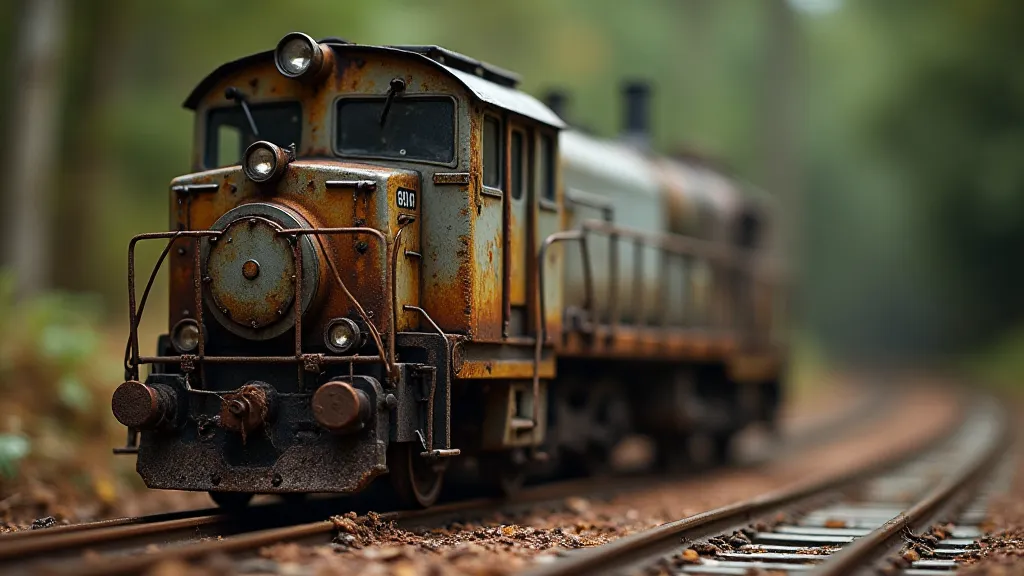
Start with a base coat of dark gray or brown. Then, use washes of thinned paint to simulate dirt and grime. Dry brushing with lighter colors can simulate rust and wear. Pay attention to areas that would be exposed to the elements – the roof, the undercarriage, the wheelsets. Consider the effects of rain, snow, and sun. The goal is to create a sense of history and realism. The complexity of recreating this realistic wear and tear can be significantly enhanced by exploring advanced modeling techniques, leading to a more immersive and compelling final product.
Railroad Diorama Techniques: Building a Believable Environment
The buildings, the terrain, the vegetation – these elements combine to create the overall impression of realism. Brick factories, wooden warehouses, and sprawling yard offices - the architecture should reflect the era and the industry. Use textured materials to simulate concrete, gravel, and dirt. Create a sense of depth by using foreground, midground, and background elements. Don’t forget the details: fences, billboards, and overhead power lines. Replicating the unique flora of a specific region adds another layer of detail and contributes to a more convincing environment. Resources exploring a field guide to miniature flora can provide valuable insights and inspiration for adding botanical realism to your diorama.
Consider the impact of the surrounding landscape. Was the industrial site located in a rural setting or an urban environment? Were there trees, rivers, or mountains nearby? Use a variety of materials to create realistic terrain – foam board, plaster cloth, and ground cover. Add vegetation to soften the industrial landscape and create a sense of scale. Even a few strategically placed weeds can add a touch of realism.
Scratch Built Train Cars: Adding Unique Character
While ready-to-run models are readily available, scratch-building your own train cars allows for unparalleled customization and detail. It's a more challenging endeavor, but the results are often stunning. You can create unique cars that perfectly match your industrial narrative, adding a level of authenticity that’s hard to replicate with commercially available models. The challenge lies in translating complex engineering principles into miniature form, demanding precision and a deep understanding of the subject matter. For those seeking to elevate their modeling skills, resources exploring the artisan's touch: advanced scratch-building techniques for the dedicated modeler offer valuable insights and guidance on tackling even the most intricate projects.
The process involves cutting, shaping, and assembling various materials – styrene sheets, wood, and metal. Use detailed drawings and photographs as reference. Take your time, pay attention to detail, and don’t be afraid to experiment. Even a few scratch-built cars can significantly enhance the overall impression of realism.
Just as a meticulously restored accordion, with its delicate mechanisms and warm, resonant tones, tells a story of a bygone era, a well-designed and detailed industrial layout offers a glimpse into the heart of industry, echoing with the rhythms of a time when hard work and ingenuity shaped the landscape.